

#LongCOVID #VitaminD #HealthResearch

www.aol.com
Vitamin D may help keep long COVID at bay, study suggests
There is currently no cure for long COVID. Symptoms are managed through medications and treatments for specific symptoms, such as physical therapy, cognitive rehabilitation, pulmonary rehabilitation, and mental health interventions.

#Alzheimers #Dementia #HealthResearch
news.harvard.edu
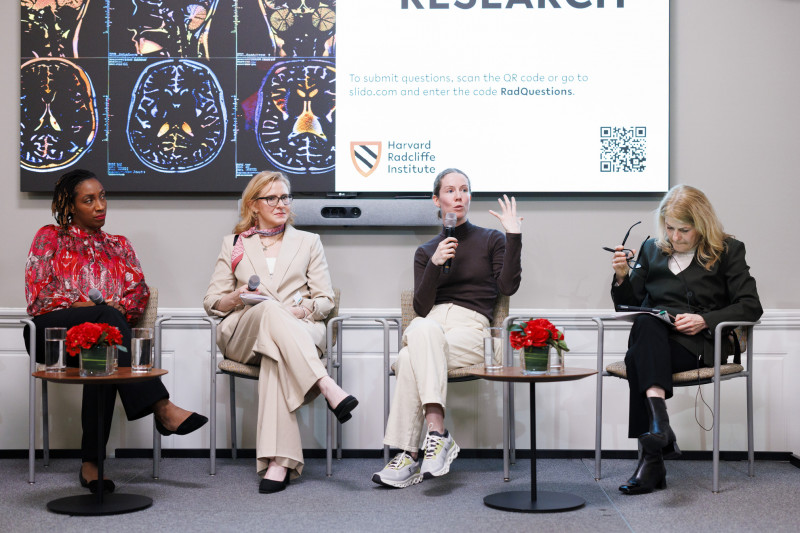
'A moment of real possibility' in Alzheimer's care -- Harvard Gazette
Experts explain how recent findings are demystifying disease that afflicts tens of millions worldwide
Alzheimer's disease is widely believed to be caused by accumulating amyloid plaques in the brain, which trigger cascading effects that cause damage.





#Alzheimers #HealthResearch #NeurodegenerativeDiseases
www.newsweek.com
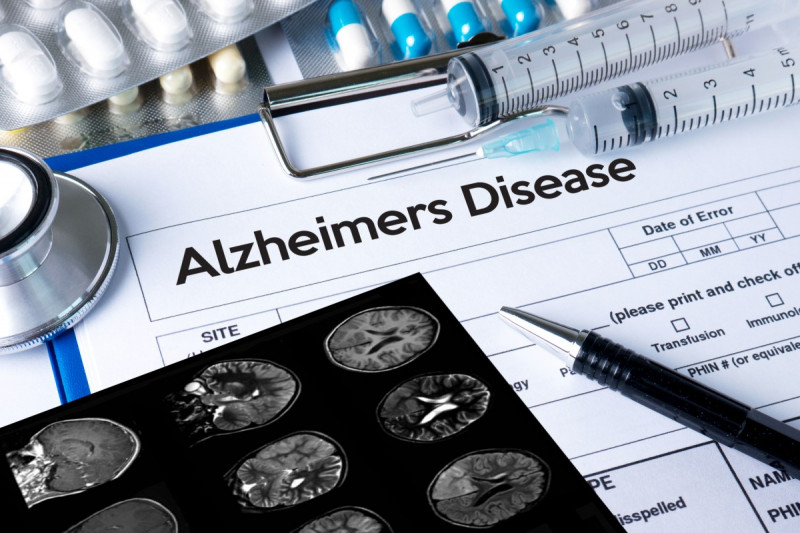
Scientists list health conditions that may signal Alzheimer's years earlier
Scientists have just identified four broad types of medical condition that could help doctors identify the risk of Alzheimer's disease a decade before symptoms develop -- with the potential to help slash incidence rates in half.



#CancerCare #MentalHealth #HealthResearch

www.yahoo.com
Mental health linked to higher risk of death in cancer patients
Add Yahoo as a preferred source to see more of our stories on Google.
Cancer patients who develop a mental health condition within the first year of receiving a diagnosis have a greater risk of dying, a new study has found.

#LongCovid #Smoking #HealthResearch

www.yahoo.com
Study reveals one lifestyle habit that could put you at risk of long Covid
Add Yahoo as a preferred source to see more of our stories on Google.
A new study on long Covid has revealed that one lifestyle habit could put you at an increasing risk of developing the condition and leave you with chest pain for months.



#CircadianRhythm #Dementia #HealthResearch
nypost.com
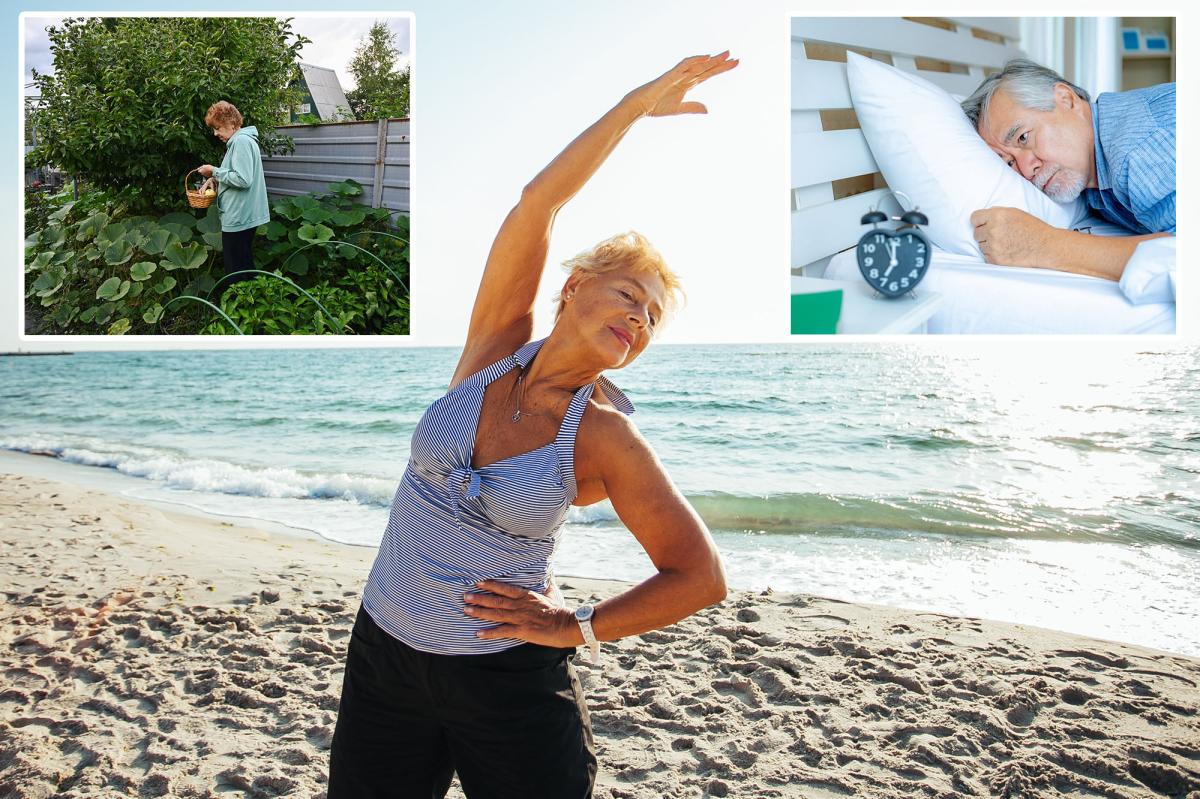
Your dementia risk goes up 45% if your 'peak activity' happens...
A new study has found a strong link between circadian rhythm and dementia risk.
Published in the medical journal Neurology, researchers found that participants who were more active during a specific window of the day had an increased risk of dementia, a condition characterized by declines in memory, language, reasoning, and problem-solving skills.

