

#Cryosleep #Neuroscience #Cryobiology
nypost.com
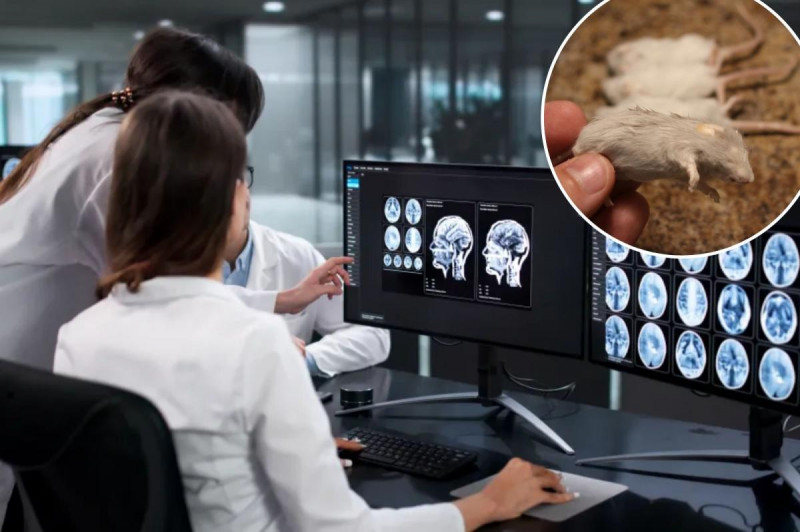
Frozen mouse brains revived from 'cryosleep' in a scientific first
Put "Alien" on standby -- because science may be inching a tiny step closer to real-life cryosleep.
In a breakthrough that sounds ripped straight from a Ridley Scott flick, researchers in Germany have managed to freeze brain tissue to ultra-cold temperatures and bring it back with key signs of life still flickering -- including electrical activity linked to learning and memory.

#BrainComputerInterface #ChinaTech #Neuroscience

www.yahoo.com
China could see widespread use of brain-computer tech in 3-5 years, expert says
Add Yahoo as a preferred source to see more of our stories on Google.
BEIJING, March 7 (Reuters) - China could see brain-computer interface (BCI) technology move into practical public use within three to five years as products mature, a leading BCI expert said, as Beijing races to catch up with U.



#Alzheimers #EyeHealth #Neuroscience
www.newsweek.com
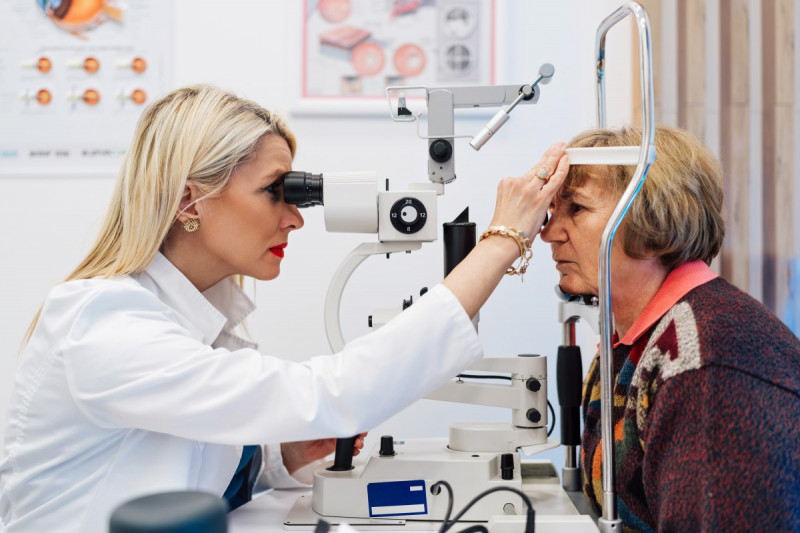
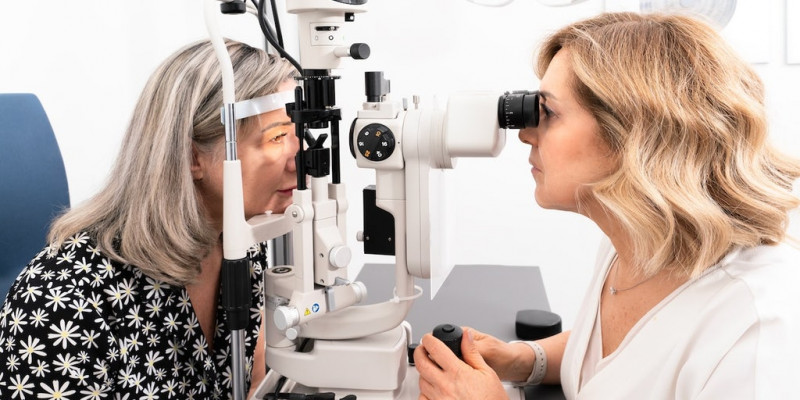
Eyes may be window into Alzheimer's long before irreversible damage
The eyes -- specifically the outer edges of the retina -- may provide a window into the earliest onset of Alzheimer's disease, long before irreversible damage occurs in the brain.

#Alzheimers #Neuroscience #BrainHealth
us.cnn.com
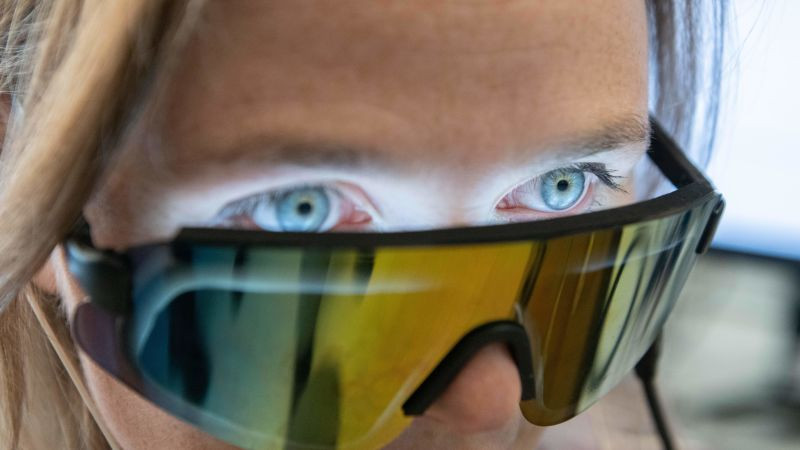
Can flickering lights and sound slow Alzheimer's? | CNN
Can Alzheimer's disease be slowed by flickering lights and sound.
That is the question that drives Annabelle Singer, an associate professor and biomedical engineer at Georgia Institute of Technology and Emory University.

#Alzheimers #Neuroscience #BrainHealth
edition.cnn.com
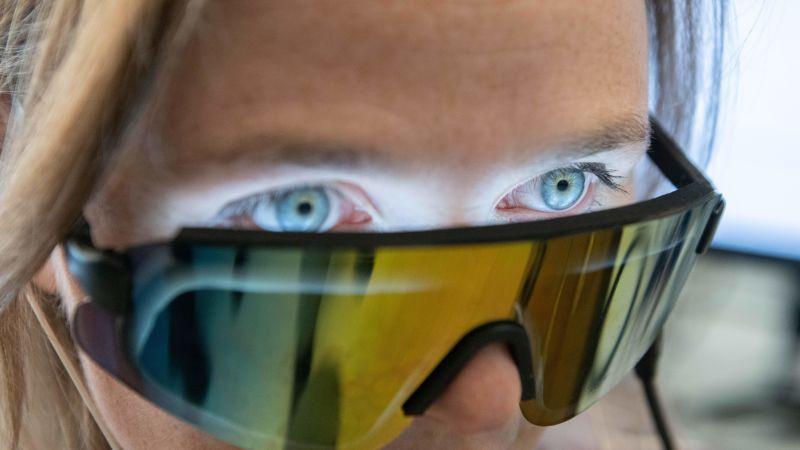
Can flickering lights and sound slow Alzheimer's?
Can Alzheimer's disease be slowed by flickering lights and sound.
That is the question that drives Annabelle Singer, an associate professor and biomedical engineer at Georgia Institute of Technology and Emory University.

#StemCells #RegenerativeMedicine #Neuroscience
news.harvard.edu
A 'cocktail' recipe for brain cells -- Harvard Gazette
Stem cell biologists discover how to regenerate type damaged in ALS, spinal cord injuries
Harvard stem cell biologists have discovered a way to grow the type of brain cells that degenerate in patients with amyotrophic lateral sclerosis (ALS) and suffer damage in spinal cord injuries.

#ParkinsonsDisease #BrainHealth #Neuroscience
www.npr.org
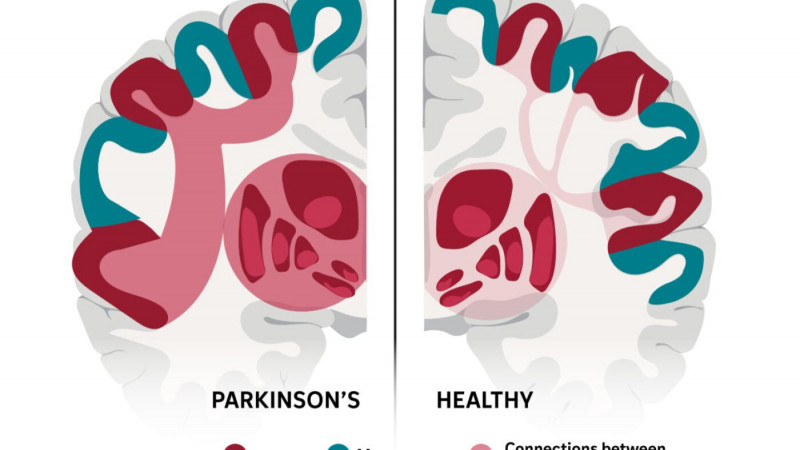
This complex brain network may explain many of Parkinson's stranger symptoms
The SCAN network, which links movement and thinking, appears to be a key brain area affected in Parkinson's disease.
Sara Moser/WashU Medicine hide caption
Parkinson's disease does more than cause tremor and trouble walking.
#Alzheimers #Neuroscience #Lithium
news.harvard.edu
An Alzheimer's breakthrough 10 years in the making -- Harvard Gazette
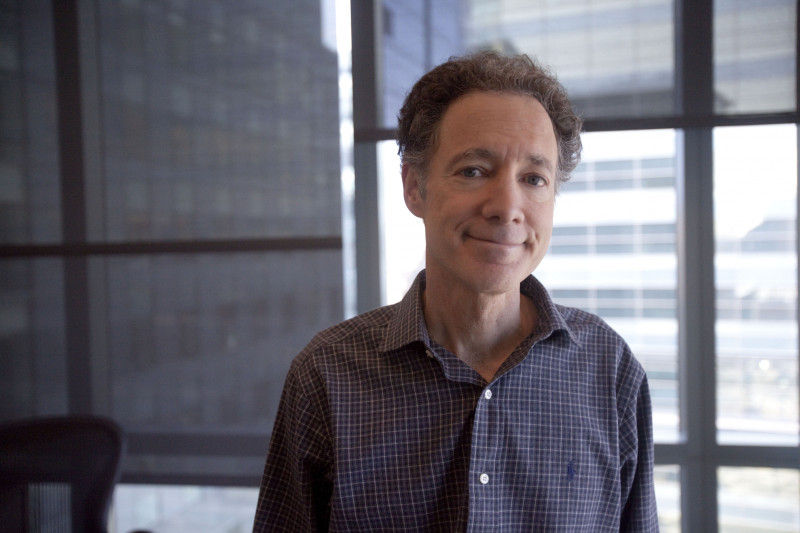
Bruce Yankner has had a busy couple of months.
In August, his team published groundbreaking research showing that lithium is a natural, biologically important element in the brain that has the potential to prevent or even reverse Alzheimer's disease.
U

#Sleep #Cognition #Neuroscience
www.usnews.com
Why Your Brain Drifts After a Bad Night's Sleep, Scientists Explain
WEDNESDAY, Jan. 21, 2026 (HealthDay News) -- Ever notice how hard it is to stay sharp after a rough night of sleep.
A recent study published in the journal Nature Neuroscience points to a surprising reason why: The brain may briefly shift into a sleep-like cleaning mode, even while you're awake.

#Biopharmaceuticals #Neuroscience #HealthcareInnovation

www.benzinga.com
Xenon to Present at the 44th Annual J.P. Morgan Healthcare Conference - Xenon Pharmaceuticals (NASDAQ:XENE)
VANCOUVER, British Columbia and BOSTON, Jan. 05, 2026 (GLOBE NEWSWIRE) -- Xenon Pharmaceuticals Inc. (NASDAQ:XENE), a neuroscience-focused biopharmaceutical company dedicated to drug discovery, clinical development and commercialization of life-changing therapeutics for patients in need, today announced that the company will present at the 44th Annual J.

#Neuroscience #Alzheimers #ClinicalTrials

www.nasdaq.com
NMRA Surges On Clinically Meaningful Results In Phase 1 Alzheimer's Disease Agitation Study
(RTTNews) - Neumora Therapeutics, Inc. (NMRA) has entered 2026 with momentum, announcing positive Phase 1b results for its lead candidate NMRA-511 in Alzheimer's disease agitation, along with a pipeline strategy that promises multiple clinical readouts across its neuroscience programs.
#Biopharma #Neuroscience #ClinicalTrials

www.benzinga.com
Neumora Therapeutics Highlights 2026 Pipeline Strategy and Anticipated Upcoming Milestones - Neumora Therapeutics (NASDAQ:NMRA)
Multiple clinical data readouts expected in 2026 present opportunity for substantial value creation
KOASTAL-2 and -3 on track for consolidated topline readout in the second quarter of 2026
Plans to conduct NMRA-215 clinical program in 2026 following class-leading preclinical data from diet induced obesity model
Advancing NMRA-511 following Phase 1b results demonstrating clinically meaningful effect on CMAI total score
Cash, cash equivalents and marketable securities expected to support operations into the third quarter of 2027
WATERTOWN, Mass.

#CircadianRhythms #DementiaRisk #Neuroscience

www.news-medical.net
Weaker and fragmented circadian rhythms linked to higher dementia risk
American Academy of NeurologyJan 4 2026
Circadian rhythms that are weaker and more fragmented are linked to an increased risk of dementia, according to a new study published on December 29, 2025, in Neurology®, the medical journal of the American Academy of Neurology.



#BrainResearch #CognitiveScience #Neuroscience

www.sciencedaily.com
The hidden timing system that shapes how you think
The human brain is always at work, handling information that arrives on very different timelines. Some signals demand instant reactions to changes in the environment, while others unfold more slowly as we interpret meaning, context, or intent.


